

Nursing Homes

Celebrating National Volunteers Month in Assisted Living Facilities

Every December, communities across the nation come together to celebrate National Volunteer Month. This is a time to honor the people who generously give their time, energy, and compassion to help others. In assisted living facilities, volunteers play a remarkable role in creating connection, comfort, and joy for residents. Their dedication strengthens the fabric of the community and enhances quality of life in meaningful, lasting ways.

Why Volunteers Are Essential to Senior Communities

Volunteers bring warmth, companionship, and heartfelt support to daily life in assisted living facilities. Their presence helps uplift seniors in ways that complement the work of professional caregivers.

  • Companionship and emotional wellness – Volunteers spend time reading with residents, chatting over coffee, playing games, or simply offering a listening ear. These moments help ease loneliness, boost mood, and support emotional well-being.
    Activity support – Volunteers often help lead or assist with group activities such as arts and crafts, music sessions, exercise classes, and holiday events. Their involvement keeps residents engaged, active, and socially connected.
    Fresh energy and connection – The High Point Residence notes that volunteers bring a unique spark to senior communities—new personalities, new stories, and new relationships that enrich daily life.

Their impact extends far beyond tasks. Volunteers help residents feel seen, valued, and part of a vibrant, caring community.

Ways to Honor Volunteers During National Volunteers Month

Showing appreciation helps volunteers understand just how deeply their contributions are valued in assisted living facilities. Meaningful, heartfelt gestures can make this celebration truly special.

  • Thank-you events – Hosting a volunteer breakfast, luncheon, or appreciation ceremony gives staff and residents the chance to express gratitude in person.
    Handwritten notes – Personalized cards from residents, staff, and families offer sincere thanks that volunteers can treasure.
    Recognition walls or displays – Posting photos, names, and stories of volunteers in a common area is an excellent way to highlight their contributions all month long.
    Small tokens of appreciation – Items like certificates, flowers, or handmade gifts demonstrate warmth and recognition.
    Public acknowledgment – Featuring volunteers in newsletters or community updates honors their service and inspires others to get involved.

Recognizing volunteers strengthens their connection to the community and encourages continued engagement.

How Residents Participate in the Celebration

National Volunteers Month is also an opportunity for residents to express their appreciation and enjoy the sense of community it fosters.

  • Resident-made cards or crafts – Seniors may create handmade cards, drawings, or simple crafts to present to volunteers. These heartfelt items carry special meaning because they come directly from the residents they support.
    Sharing stories and gratitude – Group gatherings where residents share personal stories about volunteer interactions create touching moments of connection and highlight the difference volunteers make.
    Participating in events – Residents can join in appreciation ceremonies, photo displays, or small receptions, making the celebration interactive and joyful.

Through their participation, residents feel empowered to give back and recognize the vital role volunteers play in their daily lives. Volunteers are an essential part of the heart and spirit of assisted living facilities. Their kindness, presence, and generosity enrich the lives of residents in countless ways. Celebrating volunteers honors their service and strengthens the bonds that make senior communities warm, uplifting, and deeply connected.

Ready to find your new home? Click here to learn all about Fallbrook Assisted Living!


Fallbrook Assisted Living is proud to offer its services to Fremont, NE, and surrounding areas and cities: Arlington, Cedar Bluffs, Ames Nickerson, Fontanelle, Arlington, Leshara, Colon, and Hooper


memory care assisted living

Gift Guide for Family Members in Memory Care Assisted Living

Gift giving is a fun way to show love, especially for someone living in memory care assisted living. The best gifts are those that bring comfort, spark joy, and support emotional well-being. Whether for a holiday, birthday, or a simple “thinking of you”, thoughtful gifts can create lasting warmth and joy.

Choosing Meaningful, Practical Gifts

Gifts for individuals in memory care assisted living should be chosen with both comfort and simplicity in mind, ensuring they soothe rather than overwhelm.

  • Personal comfort items: Soft blankets, cozy socks, adaptive clothing, or weighted lap pads offer warmth and stress relief.
  • Sensory-friendly gifts: Fidget blankets, textured pillows, plush animals, or tactile activity boards help ease anxiety.
  • Calming objects: Soft lighting, aromatherapy diffusers, or relaxing sound machines can create peaceful daily routines.

Experts emphasize avoiding overly complex devices, fast-paced electronics, or gifts with multiple buttons, as these may cause frustration. Instead, choose items that feel familiar, comforting, and easy to use.

Memory-Supportive Gift Ideas

Memory-supportive gifts help residents connect with their personal history and enjoy familiar sensations, often bringing comfort and emotional grounding.

  • Photo books: Labeled family photo albums or printed memory books help spark recognition and conversation.
  • Memory boxes: A small box filled with letters, trinkets, fabrics, or postcards encourages reminiscence and storytelling.
  • Music players: Simple, easy-to-use music devices preloaded with favorite songs can lift mood and reduce agitation.
  • Familiar scents and textures: Lavender sachets, soft shawls, or scented lotions can evoke positive memories through gentle sensory cues.

These gifts support meaningful connections between residents and their pasts while providing comfort in the present.

Experience-Based Gifts

Sometimes the most impactful gifts are shared moments. Experience-based gifts strengthen family bonds and create opportunities for meaningful engagement.

  • Activity experiences: Doing a puzzle, listening to music, baking, or enjoying a slow walk all foster connection.
  • Shared creative activities: Painting, crafting, or decorating together allows loved ones to participate in traditions stress-free.
  • Connection-building items: Large-print books, simple card decks, or family DVDs can nurture shared experience.

These shared activities remind residents that they are loved, valued, and included in family traditions.

Tips for Safe and Appropriate Giving

Safety is essential when choosing gifts for someone in memory care assisted living. Keeping items simple, familiar, and hazard-free ensures a positive experience.

  • Avoid confusing items: gifts with complicated instructions, breakable parts, or overwhelming features.
  • Coordinate with staff: Caregivers and team members can offer personalized suggestions based on the resident’s preferences, cognitive level, and daily routines.
  • Think comfort and clarity: Clear labels, soft materials, and sturdy, easy-to-handle items are best for fostering independence and ease of use.

By choosing gifts that align with the resident’s abilities, families help ensure joy without creating stress or confusion. The right gift can brighten ones day, spark cherished memories, and strengthen bonds with loved ones in memory care assisted living. Thoughtful choices bring comfort and connection to the moments that matter most.

Looking for excellent memory care in Nebraska? Click here to learn all about Fallbrook Assisted Living!


Fallbrook Assisted Living is proud to offer its services to Fremont, NE, and surrounding areas and cities: Arlington, Cedar Bluffs, Ames Nickerson, Fontanelle, Arlington, Leshara, Colon, and Hooper

Senior Housing

What to Read This Winter in Senior Housing

Winter is a time to slow down, wrap yourself in a cozy blanket, and get lost in a good book. For residents in Senior Housing, reading offers a source of comfort, relaxation, and connection during the colder months. Books have a special way of brightening quiet evenings, sparking conversation, and bringing people together. Winter reading can turn chilly days into moments of warmth and discovery.

Cozy Winter Reads to Lift the Spirit

From heartwarming romances to chilling mysteries, there’s something for everyone to enjoy this season. Here are a few titles perfect for readers in Senior Housing:

One Day in December by Josie Silver

  •  A feel-good love story about two people whose lives intersect across a decade of missed chances and new beginnings. Silver’s story reminds readers that fate and friendship can bloom even in life’s unexpected turns.

Small Things Like These by Claire Keegan

  • A short yet powerful novel about compassion and quiet courage set in 1980s Ireland. It’s a moving tale of one man’s decision to stand up for what’s right, perfect for reflective winter evenings.

The Winter People by Jennifer McMahon

  • For those who enjoy a hint of mystery, this haunting novel blends past and present in a small Vermont town, exploring love, loss, and ghostly secrets buried in the snow.

The Lion, the Witch, and the Wardrobe by C.S. Lewis

  • A timeless classic that transports readers to Narnia, where courage and imagination triumph over darkness. Its themes of hope and renewal make it a beautiful winter reread for all ages.

One by One by Ruth Ware

  • A gripping thriller about a company retreat in the French Alps that turns deadly after an avalanche: with sharp twists and a snowbound setting, it’s perfect for fans of suspense.

Holiday Romance by Catherine Walsh

  • This charming romantic comedy follows two best friends who reconnect during a series of Christmas flights. It’s filled with humor, heart, and a touch of festive magic.

Dead of Winter by Darcy Coates

  • For readers who prefer a darker chill, this suspenseful story follows a group stranded in a snowy lodge as fear and paranoia take hold. A cozy read—for those who like a scare!

Creating a Reading Community in Senior Housing

Reading becomes even more enjoyable when shared. In Senior Housing communities, winter is the perfect time to build a reading circle or book club that encourages conversation, connection, and creativity.

  • Host themed reading events: Pair books with seasonal treats or decorations to make gatherings more festive.
  • Start a “Book Swap Corner”: Encourage residents to exchange favorite titles, sparking curiosity and new friendships.
  • Plan group readings: Select shorter books or stories to read aloud together, followed by relaxed discussions.
  • Involve families and staff: Invite loved ones to recommend books or join meetings virtually for intergenerational connection.

A shared love of reading not only stimulates the mind but also strengthens bonds within the community. This winter, books can help residents in Senior Housing find comfort, joy, and companionship, one story at a time.

On the market for an excellent senior community in Nebraska? Click here to learn about Fallbrook Assisted Living!


Fallbrook Assisted Living is proud to offer its services to Fremont, NE, and surrounding areas and cities: Arlington, Cedar Bluffs, Ames Nickerson, Fontanelle, Arlington, Leshara, Colon, and Hooper
Assisted Living

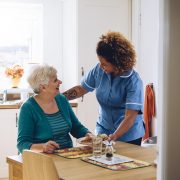
Treating Seasonal Depression in Memory Assisted Living

As the days grow shorter and sunlight becomes scarce, many seniors experience changes in mood, energy, and motivation. This is often linked to Seasonal Affective Disorder (SAD)—a type of depression that occurs with seasonal change, most commonly in the winter. For residents in Memory Assisted Living, where routine and consistency are key, these seasonal shifts can be especially challenging. With early recognition and compassionate support, caregivers and families can help residents manage symptoms and rediscover comfort through the colder months.

Understanding Seasonal Depression

Seasonal Affective Disorder affects mood, sleep, and energy levels, often triggered by reduced sunlight exposure. According to geriatric mental health experts, seniors are particularly susceptible because limited outdoor time and aging vision reduce light intake, disrupting the body’s natural rhythm.

Common symptoms include:

  • Persistent sadness or low energy.
  • Sleep disturbances or changes in appetite.
  • Withdrawal from social activities.
  • Difficulty concentrating or performing daily tasks.

For those living with Alzheimer’s or dementia, these symptoms can overlap with cognitive decline, making them harder to identify. That’s why attentive caregivers in Memory Assisted Living play a vital role in noticing subtle mood or behavior changes that could signal SAD.

Effective Treatments and Daily Support

The good news is that Seasonal Affective Disorder is highly treatable, and structured environments like Memory Assisted Living provide many opportunities to improve mood, energy, and overall well-being throughout the winter season.

  • Light therapy – Using light boxes that mimic natural sunlight can safely improve mood and sleep when equipped with UV filters. Since reduced sunlight lowers vitamin D levels—important for emotional and physical health—residents benefit from vitamin D–rich foods like fortified milk, eggs, and salmon, or doctor-approved supplements to maintain balance.
  • Nutritious meals – Diets rich in omega-3 fatty acids, leafy greens, and vitamin D–fortified foods support brain and emotional health while keeping energy levels steady.
  • Social engagement – Group activities like crafts, music therapy, or shared meals foster belonging, build friendships, and ease feelings of isolation.
  • Physical activity – Gentle stretching, walking, or chair exercises increase serotonin, boost circulation, and promote better sleep.
  • Outdoor time – Even brief walks on sunny days help residents soak up natural light, fresh air, and a sense of renewal.

Daily structure is equally important. Consistent sleep schedules, bright communal spaces, and indoor activities help reduce depressive symptoms and nurture emotional balance.

The Role of Caregivers and Family

Emotional connection remains one of the most powerful tools against depression. Caregivers and families can support residents by:

  • Checking in regularly – Short, frequent visits or calls create reassurance and reduce loneliness.
  • Encouraging participation – Joining in social activities or seasonal celebrations helps maintain engagement.
  • Creating cozy moments – Sharing a warm drink, reading together, or simply sitting in companionship provides comfort.
  • Offering empathy – Acknowledge feelings without judgment; a listening ear often makes the biggest difference.

By combining professional care with personal connection, Memory Assisted Living communities help residents navigate this season with stability, purpose, and a renewed sense of light.

Looking for excellent senior care in Nebraska? Click here to learn all about Fallbrook Assisted Living!


Fallbrook Assisted Living is proud to offer its services to Fremont, NE, and surrounding areas and cities: Arlington, Cedar Bluffs, Ames Nickerson, Fontanelle, Arlington, Leshara, Colon, and Hooper

Alzheimer’s Care Facilities

Preparing for the Holidays in Alzheimer’s Care Facilities

The holidays bring a sense of joy, warmth, and nostalgia. For residents in Alzheimer’s Care Facilities, however, the excitement of the season can sometimes lead to confusion or anxiety. Decorations, changes in routine, and gatherings can overwhelm the senses. With thoughtful planning, families and caregivers can help residents celebrate the holidays in ways that feel safe, familiar, and deeply meaningful. A calm, consistent environment allows everyone to enjoy the season together—with comfort, joy, and love.

Creating Comfort and Familiarity

In Alzheimer’s Care Facilities, comfort begins with familiarity. Decorations and activities should spark positive memories without overstimulation.

  • Keep decorations familiar and straightforward—use soft white lights instead of blinking ones, and display family photos or handmade ornaments that residents recognize.
  • Maintain routines – Keeping consistent mealtimes, rest periods, and activities provides a sense of security.
  • Use sensory-friendly décor: choose soft fabrics, avoid strong fragrances, and introduce mild scents like cinnamon or vanilla for gentle nostalgia.
  • Incorporate familiar music – Soft instrumental carols or classics from a resident’s past can bring calm and happiness.
  • Encourage participation – Simple tasks like hanging ornaments or setting the table foster inclusion and purpose.
  • Create calm corners – Set up a cozy, softly lit space where residents can unwind if festivities feel too stimulating.

These small but meaningful touches help make the holidays in Alzheimer’s Care Facilities both joyful and soothing—ensuring residents feel secure, comforted, and included throughout the season.

Meaningful Holiday Activities for Residents

Holiday activities in Alzheimer’s Care Facilities work best when they engage the senses and stir fond memories.

  • Music therapy – Singing along to familiar carols can spark memories and smiles.
  • Creative crafts – Simple projects like decorating cards or ornaments inspire self-expression.
  • Memory boxes – Fill small boxes with photos, trinkets, or favorite scents to encourage reminiscing.
  • Family storytelling – Invite families to share stories or traditions that celebrate connection.
  • Holiday baking – The aroma of cookies or spices can trigger comforting memories.
  • Movie afternoons – Classic holiday films create opportunities for relaxation and shared laughter.

These activities foster connection and help residents feel the magic of the holidays in a way that feels both personal and comforting.

Supporting Families During Holiday Visits

The holidays can be emotional for families visiting loved ones in Alzheimer’s Care Facilities. Setting expectations and communicating with staff helps make each visit more meaningful.

  • Plan visits around calm times – Visit when your loved one is rested and alert.
  • Communicate with staff – Ask about preferred times, triggers, or familiar comforts.
  • Set realistic expectations – Focus on feelings rather than perfect moments; joy matters more than memory.
  • Keep visits short and simple – Quiet, personal moments often mean the most.
  • Bring familiar items – a favorite blanket, an ornament, or a photo- to help create a sense of reassurance.
  • Share gentle conversation—listen patiently and offer warmth, even if the words are few.

When families and caregivers work together, every moment becomes an opportunity to create new memories grounded in love and compassion. The holidays may look a little different in Alzheimer’s Care Facilities, but the warmth of togetherness and the spirit of the season remain just as bright.

Looking for excellent memory care in Nebraska? Click here to learn about Fallbrook Memory Care!


Fallbrook Assisted Living is proud to offer its services to Fremont, NE, and surrounding areas and cities: Arlington, Cedar Bluffs, Ames Nickerson, Fontanelle, Arlington, Leshara, Colon, and Hooper

Memory Care Assisted Living

Ways to Celebrate Thanksgiving in Nursing Homes

Thanksgiving is a cherished time for reflection, connection, and gratitude. In Nursing Homes, the holiday holds deep significance, bringing together residents, staff, and families in a spirit of community and appreciation. Thanksgiving in a care setting is about reflecting on memories, fostering community, and creating valuable moments.

Inclusive Thanksgiving Activities in Nursing Homes

Simple, inclusive activities allow residents of all abilities to feel part of the celebration. The goal is to blend comfort and festivity while keeping everyone engaged in ways that feel personal and fulfilling.

  • Gratitude walls: Create a shared space where residents, families, and staff can write what they’re thankful for on colorful leaves or cards. Display them in common areas as a daily reminder of appreciation.
  • Festive crafts: Encourage creativity with easy projects like decorating gratitude jars, crafting turkey centerpieces, or painting pumpkins. These hands-on activities add color and joy to the environment.
  • Community feast: Organize a communal meal with comforting favorites like roast turkey, mashed potatoes, and pumpkin pie. Playing soft holiday music and setting festive tables can make it feel like home.
  • Music and movement: For residents who may not participate in crafts, offer live music, sing-alongs, or chair exercises to classic tunes to help them join the celebration.
  • Virtual gratitude video: Record residents sharing what they’re thankful for and share it with families who can’t visit in person.

These activities bring laughter, conversation, and comfort, helping residents embrace Thanksgiving in a warm, supportive community.

Family Involvement and Virtual Visits

Thanksgiving wouldn’t be complete without family. Whether loved ones visit in person or join virtually, their presence can make the holiday exceptionally memorable.

  • Plan visits in advance – Work with staff to schedule small group visits, ensuring each resident has quiet, quality time with loved ones.
  • Leverage technology—use video calls for families who live far away. Even a brief call to say “Happy Thanksgiving” can brighten a resident’s day.
  • Share digital keepsakes – Families can send photos, voice messages, or short videos of holiday moments to display on screens or print out for residents’ rooms.
  • Bring familiar dishes – A taste of a favorite family recipe can trigger comforting memories and spark conversation.
  • Encourage participation – Families can help residents set the table, read a prayer, or sing along to a Thanksgiving song.

When families stay connected, it reinforces a sense of belonging and emotional well-being for residents.

Keeping Residents Engaged and Thankful

One of the most meaningful ways to celebrate Thanksgiving in Nursing Homes is by helping residents stay engaged through storytelling and memory-sharing. These simple yet powerful activities bring connection, joy, and a sense of purpose to the holiday season.

  • Storytelling sessions: Encourage residents to share favorite Thanksgiving memories. These can range from family gatherings and cherished recipes to moments of gratitude and laughter. Staff can make these sessions extra special by recording stories and creating a Gratitude Journal.
  • Shared memories: Sharing memories with peers helps residents bond and discover common experiences. Looking through old photos, listening to familiar songs, or discussing traditions can spark joy and conversation.

Thanksgiving in Nursing Homes is a celebration of connection, memory, and gratitude. When staff, residents, and families come together, they create not just a meal to share but moments of warmth and love that last far beyond November.

Looking for excellent care in Nebraska? Click here to learn more about Fallbrook Assisted Living!


Fallbrook Assisted Living is proud to offer its services to Fremont, NE, and surrounding areas and cities: Arlington, Cedar Bluffs, Ames Nickerson, Fontanelle, Arlington, Leshara, Colon, and Hooper

Assisted Living

Recognizing Long-Term Care Planning Month in Assisted Living

Every October, Long-Term Care Planning Month encourages families to think ahead about the future. While it may feel uncomfortable and odd to discuss, planning for care needs before a crisis or sudden shift happens helps ensure peace of mind, financial security, and the proper support for seniors. In assisted living, this move is significant, as it underscores the importance of preparing for life’s changes and shifts while maintaining assurance, comfort, and autonomy.

Importance of Long-Term Care Planning for Seniors

Planning for the future enables seniors and their families to make informed decisions with confidence, rather than under stress. Families are more confident in making sound decisions, knowing that these were well thought out and not made under time pressure. Long-term care planning typically includes:

  • Financial preparation – Covering the potential costs of assisted living, medical care, or home support. Early planning can include securing insurance, saving, or utilizing government benefits to ease the financial burden on families.
  • Future health care needs – Anticipating medical conditions, cognitive decline, or mobility challenges ensures that seniors receive the right level of care as their needs evolve and change.
  • Quality of life – Thoughtful planning helps align care decisions with personal values and preferences, whether that means staying socially active, maintaining independence, or living in a supportive community. Proactive choices ensure seniors live well with purpose and fulfillment.

By addressing these aspects early, families can focus less on logistics and more on enjoying meaningful moments together.

Role of Assisted Living in Long-Term Planning

Assisted living communities play a central role in long-term care strategies, offering both flexibility and support as residents’ needs evolve. Services often include:

  • Personalized care – Assistance with daily activities, including bathing, dressing, and medication management.
  • Health and wellness programs – On-site fitness, therapy, and preventive health resources that keep residents active and engaged.
  • Safety and convenience – Secure environments, housekeeping, dining services, and transportation for appointments or outings.
  • Smooth transitions – Many seniors transition into assisted living while still maintaining their independence. This proactive step allows them to adapt gradually, build friendships, and explore programs before needing additional care.

Incorporating assisted living into long-term planning helps seniors enjoy independence today while knowing support is available in the near future.

Helping Families Plan Ahead

Families play a vital role in ensuring care choices reflect their loved one’s wishes. Starting conversations early makes it easier to explore options without pressure. Helpful steps include:

  • Discussing care options and preferences – Talking openly about values, routines, and expectations prevents confusion later. Assisted living facilities offer a middle ground between independent living and nursing home care, so it’s better to draw a clear line between these options available.
  • Exploring resources – Many organizations offer tools, such as cost calculators, legal advice, and checklists, to support long-term planning.
  • Visiting communities together – Touring assisted living facilities helps families understand available services and decide which environment feels right.

By planning, families create a clear path forward that reduces stress and supports both seniors and caregivers. Long-Term Care Planning Month reminds us that preparing for the future is an act of love and respect. In assisted living, it ensures that seniors have not only the care they need but also the community, safety, and opportunities that make life fulfilling.

Looking for excellent senior care in Nebraska? Click here to learn all about Fallbrook Assisted Living!


Fallbrook Assisted Living is proud to offer its services to Fremont, NE, and surrounding areas and cities: Arlington, Cedar Bluffs, Ames Nickerson, Fontanelle, Arlington, Leshara, Colon, and Hooper

Memory Care Assisted Living

Emotional Wellness Month in Memory Care Assisted Living

October is Emotional Wellness Month, a time to focus on the importance of mental and emotional health at every stage of life. For seniors living with memory-related conditions such as Alzheimer’s or dementia, this observance carries special meaning. Emotional well-being plays a vital role in quality of life, offering comfort, stability, and connection when cognitive challenges may feel overwhelming. In Memory Care Assisted Living, residents benefit from environments designed to nurture both their emotional and physical health, ensuring they feel supported, valued, and understood.

Understanding Emotional Wellness in Memory Care Assisted Living

For seniors with memory impairments, emotional needs are just as significant as medical care and treatment. Feelings of anxiety, confusion, or frustration are common in old age, especially during moments of disorientation. By prioritizing emotional wellness, caregivers help reduce stress while creating a sense of safety and calm to the seniors.

Emotional health also has a direct impact on physical well-being. Seniors who feel secure and connected are more likely to eat well, sleep better, and engage in daily activities. In Memory Care Assisted Living, emotional wellness is supported through:

  • Safe and familiar environments that reduce confusion.
  • Consistent routines that provide structure and reassurance.
  • Gentle guidance and patience from trained caregivers.
  • Opportunities for social interaction to strengthen bonds.

These efforts not only ease daily challenges but also promote peace of mind and joy.

Programs to Support Emotional Wellness

Memory Care Assisted Living communities often use specialized and curated programs to enrich residents’ emotional well-being:

  • Art therapy – Creative expression provides an avenue for emotional release and authenticity, allowing residents to communicate their feelings without relying on words.
  • Music therapy – Familiar songs often spark joy, reduce agitation, and bring back meaningful memories.
  • Recollection activities, such as storytelling, photo albums, and memory boxes, encourage reflection and foster emotional connections.
  • Staff training – Caregivers learn to recognize signs of stress, respond with empathy, and adjust their communication styles to meet residents’ needs.

These programs help residents feel seen, valued, and connected, even when memory loss makes daily life more challenging.

Family Involvement in Emotional Wellness

Family support is a crucial foundation for the emotional well-being of residents. Visits and shared activities provide comfort and remind residents that they are deeply loved and cared for. Families can nurture emotional wellness by:

  • Spending time together – Regular visits create stability and joy. These moments strengthen bonds and remind residents that they are deeply loved and supported.
  • Communicating with staff – Sharing updates and insights helps caregivers tailor care to each individual. Open dialogue ensures that both families and staff work as a team to meet residents’ evolving needs.
  • Participating in activities – Joining art, music, or storytelling sessions builds shared memories. These experiences foster connection while providing residents with opportunities to express themselves creatively.
  • Offering reassurance – Gentle words and familiar routines ease anxiety and provide comfort. Consistency fosters a sense of security, helping residents feel calm and more at peace.

By marking this Emotional Wellness Month, Memory Care Assisted Living communities highlight their ongoing commitment to the well-being of every resident. This observance is more than just a calendar event; it serves as a poignant reminder that compassion, patience, and meaningful connections are potent tools in fostering health and happiness. As families, caregivers, and staff work together, they foster an environment where seniors live not only with care but with purpose, joy, and emotional strength.

Seeking an exceptional senior community in Nebraska? Click here to learn about Fallbrook Assisted Living.


Fallbrook Assisted Living is proud to offer its services to Fremont, NE, and surrounding areas and cities: Arlington, Cedar Bluffs, Ames Nickerson, Fontanelle, Arlington, Leshara, Colon, and Hooper

Assisted Living Facilities

Breast Cancer Awareness Month in Assisted Living Facilities

Every October, Breast Cancer Awareness Month holds a spotlight on one of the most common cancers affecting women all over the world. It’s a time dedicated to education, support, and early detection. In senior communities, raising awareness is especially important since many residents have either faced breast cancer themselves or have loved ones who have been affected by it. At Assisted Living Facilities, this month provides an opportunity not only to share vital health information but also to foster a spirit of hope, strength, and unity.

Why Breast Cancer Awareness Month Matters in Assisted Living Facilities

Breast cancer remains one of the most diagnosed cancers among women, and the risk increases with age. According to health experts, nearly half of new breast cancer cases occur in women over the age of 60. For residents in Assisted Living Facilities, awareness campaigns highlight the importance of regular screenings and self-exams, even in old age.

Awareness also empowers residents and their families. By learning more about prevention, detection, and treatment, seniors gain confidence in making rightful health decisions. These conversations can also spark meaningful family discussions, ensuring loved ones feel supported and equipped with knowledge. Beyond numbers, Breast Cancer Awareness Month reinforces resilience, reminding seniors that they are not alone in their fight against the disease.

Activities & Programs for Residents

Many Assisted Living Facilities recognize Breast Cancer Awareness Month with engaging and educational activities. These programs help spread information while creating a sense of community and purpose. Popular options include:

  • Educational sessions – Guest speakers, including nurses, physicians, and cancer survivors, share knowledge about prevention, early detection, and treatment options.
  • Pink-themed events – Decorating common areas, wearing pink, or hosting themed luncheons allows residents to show their support in a fun and meaningful way.
  • Group walks – Gentle walks around the community or nearby areas raise awareness while encouraging physical activity and camaraderie.
  • Health check reminders – Staff can help coordinate appointments or provide resources on how to schedule screenings.

These activities not only promote awareness but also encourage residents to take an active role in their health.

Supporting Residents & Families

Breast cancer affects more than the individual—it touches families, friends, and entire communities. That is why emotional support is just as important as physical health. Support can be strengthened through Emotional support groups. These are safe spaces where residents can share their experiences, thoughts, and find encouragement from peers without feeling judged. These groups not only reduce isolation but also help residents see that they are not alone in their struggles.

Over time, participants often develop new coping strategies, build stronger self-esteem, and form meaningful friendships. Guided by compassionate facilitators, emotional support groups provide reassurance, mutual understanding, and a renewed sense of belonging within the community.

Breast Cancer Awareness Month is more than a campaign; it’s a movement that saves lives through education, early detection, and compassion. In Assisted Living Facilities, it is also a reminder that when residents, families, and staff come together, they can uplift one another, celebrate survivorship, and strengthen a community built on hope and resilience. By creating these layers of support, communities remind residents that they are surrounded by care and understanding.

Looking for excellent care in Nebraska? Click here to learn about Fallbrook Assisted Living!


Fallbrook Assisted Living is proud to offer its services to Fremont, NE, and surrounding areas and cities: Arlington, Cedar Bluffs, Ames Nickerson, Fontanelle, Arlington, Leshara, Colon, and Hooper

Facilities for Alzheimer’s

Depression and Alzheimer’s: Care in Facilities for Alzheimer’s

October is Depression Awareness Month, a time to shine a light on the importance of mental health. For seniors living with Alzheimer’s disease, awareness is especially critical. Depression often goes unnoticed in individuals with memory impairments. This is because many symptoms overlap with dementia, such as confusion, withdrawal, and changes in sleep or appetite. In Facilities for Alzheimer’s learning, understanding, and addressing this connection is key to supporting residents’ overall well-being.

Understanding the Link Between Depression and Alzheimer’s

Alzheimer’s and depression can appear side by side, creating challenges for residents, their families, and caregivers. Research shows that seniors with Alzheimer’s are more vulnerable and prone to depression. This is due to changes in brain chemistry and the emotional impact of cognitive decline. Symptoms such as apathy, irritability, or difficulty concentrating may be mistakenly attributed solely to dementia.

Recognizing the difference is essential to understanding. Depression can worsen memory problems and lower the quality of life if left untreated and ignored. By identifying and addressing these overlapping symptoms, caregivers in Facilities for Alzheimer’s can help residents feel calmer, more engaged, and better supported in their daily lives and routines.

Role of Facilities for Alzheimer’s in Supporting Residents

Facilities for Alzheimer’s are uniquely designed to meet the emotional and medical needs of residents living with memory-related conditions. To address depression and promote well-being, these communities provide a variety of support strategies, including:

  • Specialized care plans – Personalized approaches that consider both cognitive challenges and emotional health.
  • Daily routines – Structured schedules that reduce anxiety and create a sense of stability.
  • On-site counseling and therapy services – Licensed professionals offer one-on-one or group sessions to help residents manage depression, anxiety, or grief while building peer support.
  • Staff training and awareness – Caregivers are trained to recognize the early signs of depression or anxiety, ensuring quicker intervention and better outcomes.
  • Social and recreational activities – Programs such as art therapy, music therapy, and group exercises keep residents engaged, improving mood and cognitive function.

By incorporating these elements into daily care for the residents, Facilities for Alzheimer’s ensure that residents receive not only medical assistance but also the compassion, structure, and emotional support needed for their well-being and resilience.

Encouraging Families to Stay Involved

Family involvement is a powerful tool in supporting residents who may be experiencing depression alongside Alzheimer’s, as small efforts do not go unnoticed and may even create an impactful difference through displaying the compassionate care that residents receive in Facilities for Alzheimer’s. Families can:

  • Spot early signs – Noticing changes in mood, appetite, sleep patterns, or social interaction can indicate depression and should be promptly shared with staff. Early detection enables caregivers to respond swiftly with the appropriate support and interventions.
  • Provide reassurance and support – Regular visits, gentle conversations, and familiar routines help reduce loneliness while fostering a sense of stability and security. These gestures strengthen emotional bonds and give residents comfort, making them feel valued and understood.

Depression Awareness Month reminds us that emotional health is just as vital as physical care. In Facilities for Alzheimer’s, addressing the connection between depression and dementia ensures that residents receive the compassion, structure, and support they need to live with comfort, dignity, and hope.

Looking for excellent memory care in Nebraska? Click here to learn bout Fallbrook Assisted Living!


Fallbrook Assisted Living is proud to offer its services to Fremont, NE, and surrounding areas and cities: Arlington, Cedar Bluffs, Ames Nickerson, Fontanelle, Arlington, Leshara, Colon, and Hooper